
Top pick
$15.99 ≈ 0.0002073 BTC

PC Components
Shop all PC Components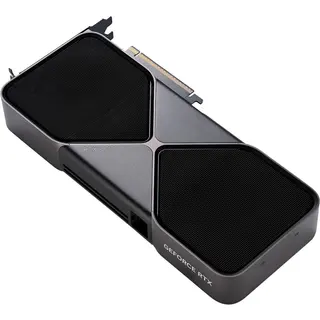 Blackwell & RDNA 4
New-generation graphics cards
GeForce RTX 50 and Radeon RX 9000, filtered by VRAM and length.
Shop now
Cooling
Shop all Cooling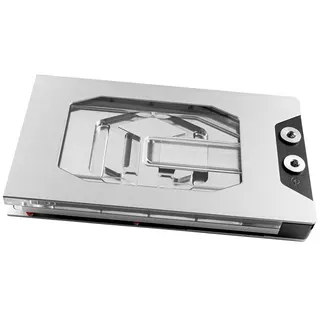 Custom loop
Water cooling parts
Blocks, radiators and fittings from EK, Alphacool and Watercool.
Shop now
Cases & Modding
Shop all Cases & Modding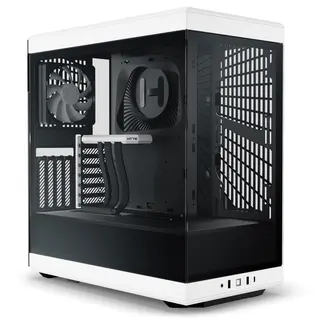 Showcase builds
Glass-panel cases
Dual-chamber and panoramic designs from Lian Li, Hyte and Fractal.
Shop now
Monitors
Shop all Monitors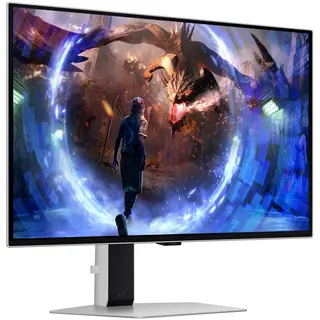 Pixel perfect
OLED gaming monitors
QD-OLED and WOLED panels for deep blacks and fast motion.
Shop now
Peripherals
Shop all Peripherals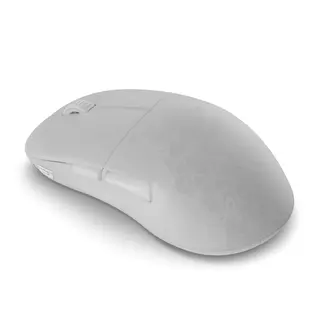 Desk setup
Keyboards & mice
Mechanical and Hall-effect boards, ultralight mice.
Shop now
Storage
Shop all Storage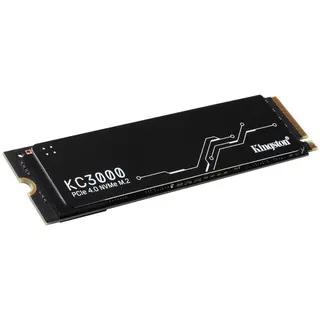 PCIe 5.0
Next-gen NVMe SSDs
Gen 5 drives for the fastest loads and transfers.
Shop now
Sim Racing
Shop all Sim Racing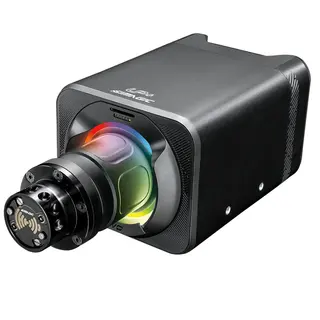 Direct drive
Wheel bases
Simucube, Moza, Simagic, Fanatec and more.
Shop now
Gaming & VR
Shop all Gaming & VR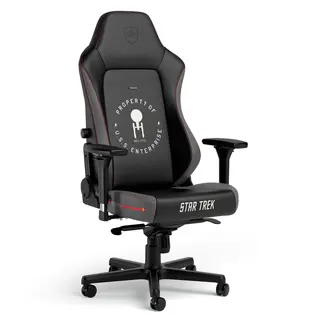 Long sessions
Gaming chairs
Ergonomic chairs from noblechairs, Razer and more.
Shop now
Networking
Shop all Networking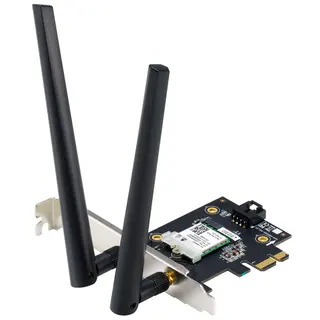 Home network
Faster connections
Routers, Wi-Fi adapters, network cards and switches.
Shop now
Laptops & PCs
Shop all Laptops & PCs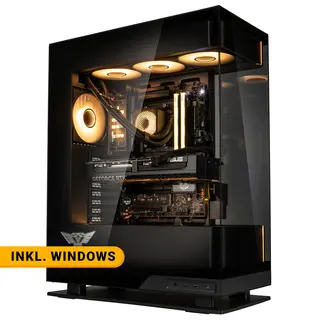 Ready to play
Gaming PCs
Ready-built systems from 1080p to 4K, with RTX 50 and RX 9000 graphics.
Shop now
Clear, colored and opaque premixed coolants, concentrates, corrosion and biocide additives, distilled water and loop cleaners from EK, Alphacool, XSPC and more. Filter by color, and pay in BTC, ETH or USDT.
82 products
$15.99 ≈ 0.0002073 BTC
$16.99 ≈ 0.0002202 BTC
$26.99 ≈ 0.0003499 BTC
$8.99 ≈ 0.0001165 BTC
$29.99 ≈ 0.0003887 BTC
$10.99 ≈ 0.0001425 BTC
$12.99 ≈ 0.0001684 BTC
$16.99 ≈ 0.0002202 BTC
$16.99 ≈ 0.0002202 BTC
$17.99 ≈ 0.0002332 BTC
$16.99 ≈ 0.0002202 BTC
$16.99 ≈ 0.0002202 BTC
$16.99 ≈ 0.0002202 BTC
$16.99 ≈ 0.0002202 BTC
$10.99 ≈ 0.0001425 BTC
$10.99 ≈ 0.0001425 BTC
$10.99 ≈ 0.0001425 BTC
$8.99 ≈ 0.0001165 BTC
$17.99 ≈ 0.0002332 BTC
$8.99 ≈ 0.0001165 BTC
$17.99 ≈ 0.0002332 BTC
$17.99 ≈ 0.0002332 BTC
$12.99 ≈ 0.0001684 BTC
$10.99 ≈ 0.0001425 BTC
$8.99 ≈ 0.0001165 BTC
$12.99 ≈ 0.0001684 BTC
$10.99 ≈ 0.0001425 BTC
$8.99 ≈ 0.0001165 BTC
$6.99 ≈ 0.00009061 BTC
$6.99 ≈ 0.00009061 BTC
$8.99 ≈ 0.0001165 BTC
$28.99 ≈ 0.0003758 BTC
$15.99 ≈ 0.0002073 BTC
$14.99 ≈ 0.0001943 BTC
$14.99 ≈ 0.0001943 BTC
$56.99 ≈ 0.0007387 BTC
$6.99 ≈ 0.00009061 BTC
$12.99 ≈ 0.0001684 BTC
$10.99 ≈ 0.0001425 BTC
$9.99 ≈ 0.0001295 BTC
$8.99 ≈ 0.0001165 BTC
$8.99 ≈ 0.0001165 BTC
$16.99 ≈ 0.0002202 BTC
$8.99 ≈ 0.0001165 BTC
$8.99 ≈ 0.0001165 BTC
$6.99 ≈ 0.00009061 BTC
$15.99 ≈ 0.0002073 BTC
$6.99 ≈ 0.00009061 BTC
$16.99 ≈ 0.0002202 BTC
$8.99 ≈ 0.0001165 BTC
$8.99 ≈ 0.0001165 BTC
$8.99 ≈ 0.0001165 BTC
$6.99 ≈ 0.00009061 BTC
$6.99 ≈ 0.00009061 BTC
$6.99 ≈ 0.00009061 BTC
$30.99 ≈ 0.0004017 BTC
$8.99 ≈ 0.0001165 BTC
$15.99 ≈ 0.0002073 BTC
$16.99 ≈ 0.0002202 BTC
$11.99 ≈ 0.0001554 BTC
Showing 1–60 of 82
Show 22 moreThe coolant protects every metal part in your loop, so choose for reliability first and color second:
Never use tap water, which leaves mineral deposits, and do not mix coolants from different brands. Stay with one metal family: copper, brass and nickel-plated parts work together, aluminum does not. A 1-liter bottle usually fills a CPU and GPU loop; larger loops with external radiators need more. Drain and refill every 6 to 12 months with clear coolant, and sooner with opaque fluids. Filling bottles and leak testers are in loop tools & accessories, and our custom water cooling guide covers filling step by step.
Going deeper: Custom water cooling guide for beginners (2026)

Shop by department
Show prices in
Your cart
Your cart is empty
Start with a top category:
Shipping calculated at checkout. Pay with BTC, ETH or USDT — rate locked when you check out.
Compare 0/4
Compare


