
Top pick
AxagonIn stock
CRE-SMPC USB-C Smart Card PocketReader
$9.99 ≈ 0.0001295 BTC

PC Components
Shop all PC Components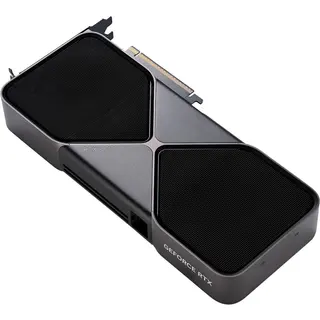 Blackwell & RDNA 4
New-generation graphics cards
GeForce RTX 50 and Radeon RX 9000, filtered by VRAM and length.
Shop now
Cooling
Shop all Cooling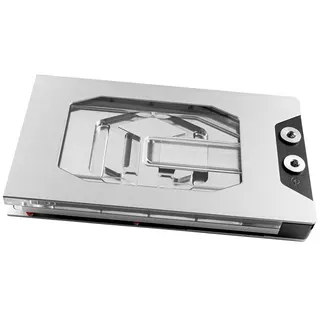 Custom loop
Water cooling parts
Blocks, radiators and fittings from EK, Alphacool and Watercool.
Shop now
Cases & Modding
Shop all Cases & Modding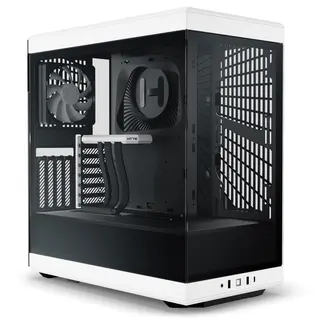 Showcase builds
Glass-panel cases
Dual-chamber and panoramic designs from Lian Li, Hyte and Fractal.
Shop now
Monitors
Shop all Monitors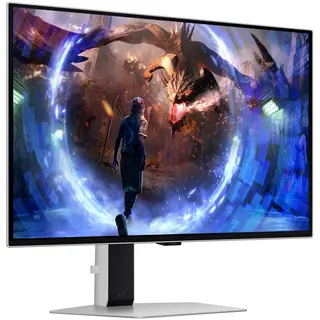 Pixel perfect
OLED gaming monitors
QD-OLED and WOLED panels for deep blacks and fast motion.
Shop now
Peripherals
Shop all Peripherals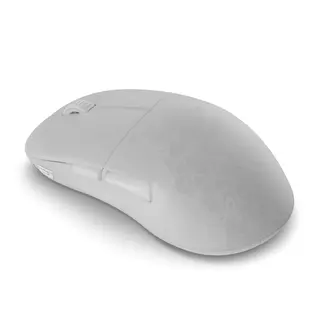 Desk setup
Keyboards & mice
Mechanical and Hall-effect boards, ultralight mice.
Shop now
Storage
Shop all Storage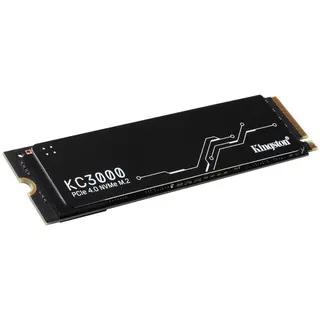 PCIe 5.0
Next-gen NVMe SSDs
Gen 5 drives for the fastest loads and transfers.
Shop now
Sim Racing
Shop all Sim Racing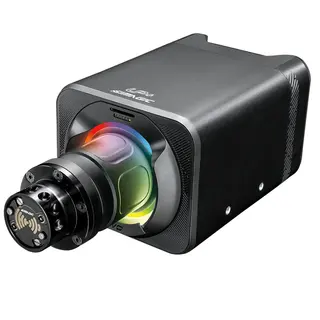 Direct drive
Wheel bases
Simucube, Moza, Simagic, Fanatec and more.
Shop now
Gaming & VR
Shop all Gaming & VR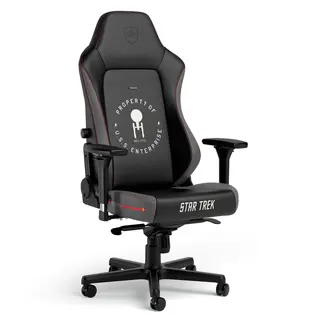 Long sessions
Gaming chairs
Ergonomic chairs from noblechairs, Razer and more.
Shop now
Networking
Shop all Networking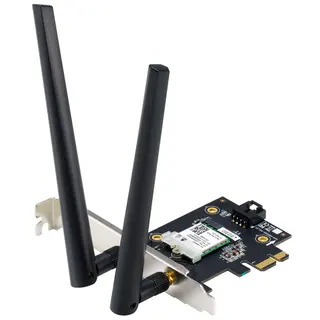 Home network
Faster connections
Routers, Wi-Fi adapters, network cards and switches.
Shop now
Laptops & PCs
Shop all Laptops & PCs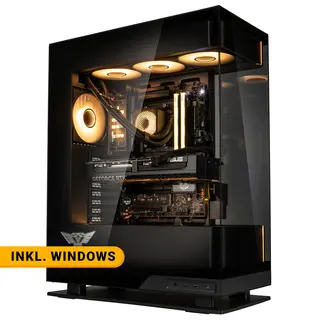 Ready to play
Gaming PCs
Ready-built systems from 1080p to 4K, with RTX 50 and RX 9000 graphics.
Shop now
External USB-A and USB-C readers for SD, microSD and CompactFlash cards, including UHS-II models, internal front-panel readers, and smart card readers for ID and company cards. Pay in BTC, ETH or USDT.
25 products
AxagonIn stock
$9.99 ≈ 0.0001295 BTC
GraugearIn stock
$52.99 ≈ 0.0006869 BTC
AkasaIn stock
$22.99 ≈ 0.000298 BTC
AkasaIn stock
$16.99 ≈ 0.0002202 BTC
AkasaIn stock
$15.99 ≈ 0.0002073 BTC
AxagonIn stock
$10.99 ≈ 0.0001425 BTC
AxagonIn stock
$9.99 ≈ 0.0001295 BTC
$19.99 ≈ 0.0002591 BTC
$17.99 ≈ 0.0002332 BTC
AxagonIn stock
$15.99 ≈ 0.0002073 BTC
$12.99 ≈ 0.0001684 BTC
AxagonIn stock
$12.99 ≈ 0.0001684 BTC
$10.99 ≈ 0.0001425 BTC
$9.99 ≈ 0.0001295 BTC
AxagonIn stock
$8.99 ≈ 0.0001165 BTC
AxagonIn stock
$8.99 ≈ 0.0001165 BTC
AxagonIn stock
$7.99 ≈ 0.0001036 BTC
AxagonIn stock
$6.99 ≈ 0.00009061 BTC
AxagonIn stock
$169.99 ≈ 0.002203 BTC
AxagonIn stock
$8.99 ≈ 0.0001165 BTC
AkasaIn stock
$29.99 ≈ 0.0003887 BTC
AkasaIn stock
$9.99 ≈ 0.0001295 BTC
GraugearIn stock
$30.99 ≈ 0.0004017 BTC
GraugearIn stock
$29.99 ≈ 0.0003887 BTC
AxagonIn stock
$8.99 ≈ 0.0001165 BTC
Showing 1–25 of 25
A fast reader cuts the time it takes to offload photos and video. Match it to your cards and ports:
Most memory card readers work without drivers on Windows, macOS and Linux. Smart card use depends on the issuer's software, so check that it supports your operating system. For storage that stays in your pocket, see USB flash drives and external drives.

Shop by department
Show prices in
Your cart
Your cart is empty
Start with a top category:
Shipping calculated at checkout. Pay with BTC, ETH or USDT — rate locked when you check out.
Compare 0/4
Compare


