
Top pick
HaileaIn stock
Inline Chiller Ultra Titan 500 (HC300=395W Cooling Capacity)
$429.99 ≈ 0.005574 BTC
Free EU shipping

PC Components
Shop all PC Components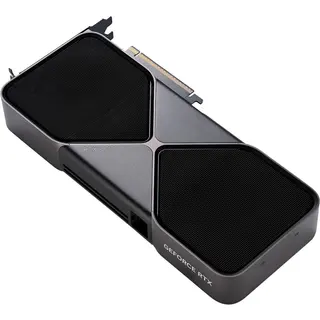 Blackwell & RDNA 4
New-generation graphics cards
GeForce RTX 50 and Radeon RX 9000, filtered by VRAM and length.
Shop now
Cooling
Shop all Cooling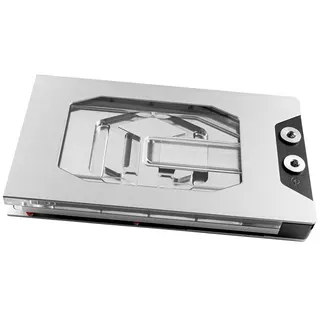 Custom loop
Water cooling parts
Blocks, radiators and fittings from EK, Alphacool and Watercool.
Shop now
Cases & Modding
Shop all Cases & Modding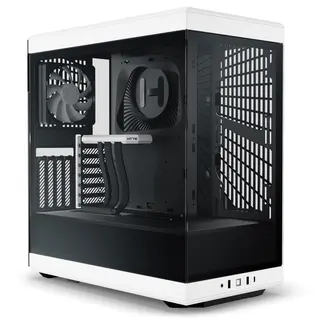 Showcase builds
Glass-panel cases
Dual-chamber and panoramic designs from Lian Li, Hyte and Fractal.
Shop now
Monitors
Shop all Monitors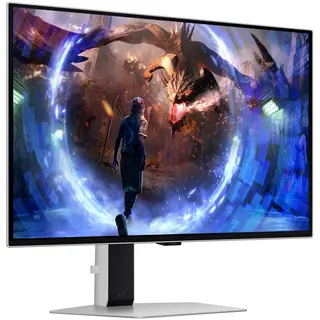 Pixel perfect
OLED gaming monitors
QD-OLED and WOLED panels for deep blacks and fast motion.
Shop now
Peripherals
Shop all Peripherals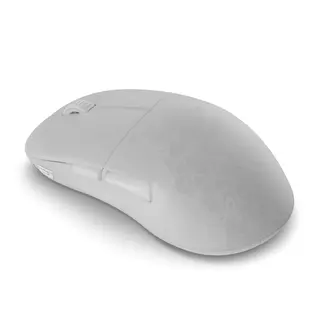 Desk setup
Keyboards & mice
Mechanical and Hall-effect boards, ultralight mice.
Shop now
Storage
Shop all Storage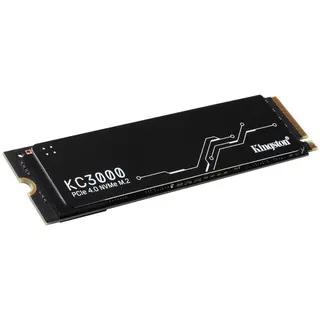 PCIe 5.0
Next-gen NVMe SSDs
Gen 5 drives for the fastest loads and transfers.
Shop now
Sim Racing
Shop all Sim Racing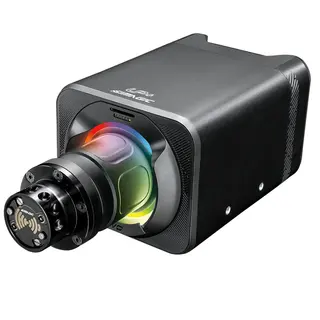 Direct drive
Wheel bases
Simucube, Moza, Simagic, Fanatec and more.
Shop now
Gaming & VR
Shop all Gaming & VR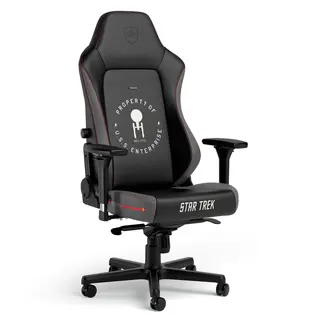 Long sessions
Gaming chairs
Ergonomic chairs from noblechairs, Razer and more.
Shop now
Networking
Shop all Networking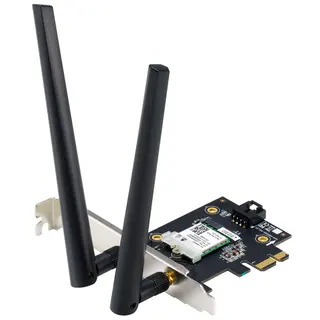 Home network
Faster connections
Routers, Wi-Fi adapters, network cards and switches.
Shop now
Laptops & PCs
Shop all Laptops & PCs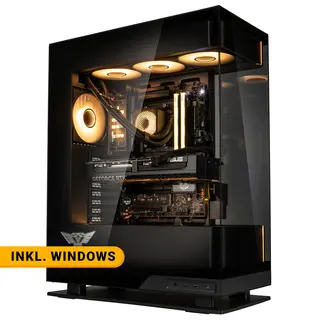 Ready to play
Gaming PCs
Ready-built systems from 1080p to 4K, with RTX 50 and RX 9000 graphics.
Shop now
Custom loop kits, GPU water cooling upgrade kits, external liquid cooling systems from Koolance and Hailea water chillers for below-ambient cooling. Check fit and heat load, and pay in BTC, ETH or USDT.
13 products
HaileaIn stock
$429.99 ≈ 0.005574 BTC
Free EU shipping
HaileaIn stock
$319.99 ≈ 0.004148 BTC
Free EU shipping
HaileaIn stock
$1,199.99 ≈ 0.01555 BTC
Free EU shipping
HaileaIn stock
$329.99 ≈ 0.004277 BTC
Free EU shipping
KoolanceIn stock
$2,159.99 ≈ 0.028 BTC
Free EU shipping
KoolanceIn stock
$2,749.99 ≈ 0.03565 BTC
Free EU shipping
PhanteksIn stock
$469.99$489.99
≈ 0.006092 BTC
Free EU shipping
KoolanceIn stock
$569.99 ≈ 0.007388 BTC
Free EU shipping
LYNK+In stock
$339.99 ≈ 0.004407 BTC
Free EU shipping
KoolanceIn stock
$2,869.99 ≈ 0.0372 BTC
Free EU shipping
LYNK+In stock
$319.99 ≈ 0.004148 BTC
Free EU shipping
KoolanceIn stock
$559.99 ≈ 0.007259 BTC
Free EU shipping
LYNK+In stock
$309.99 ≈ 0.004018 BTC
Free EU shipping
Showing 1–13 of 13
Not every loop has to be planned part by part. Four ways to start:
Chillers bring a risk of condensation: coolant below the room's dew point makes water form on blocks and tubes. Keep the coolant above the dew point in normal use, and insulate cold parts if you go lower. Chillers also need ventilation and a pump in the loop. For individual parts, see water blocks, radiators and pumps and reservoirs; the custom water cooling guide covers the basics.
Going deeper: Custom water cooling guide for beginners (2026)

Shop by department
Show prices in
Your cart
Your cart is empty
Start with a top category:
Shipping calculated at checkout. Pay with BTC, ETH or USDT — rate locked when you check out.
Compare 0/4
Compare


