
Top pick
$199.99 ≈ 0.002619 BTC

PC Components
Shop all PC Components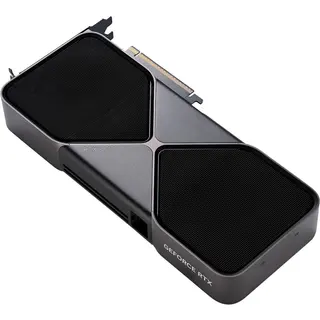 Blackwell & RDNA 4
New-generation graphics cards
GeForce RTX 50 and Radeon RX 9000, filtered by VRAM and length.
Shop now
Cooling
Shop all Cooling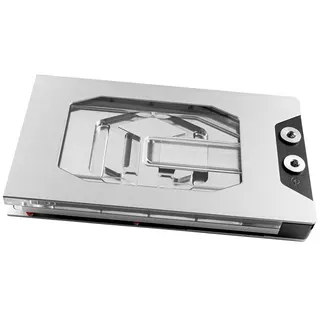 Custom loop
Water cooling parts
Blocks, radiators and fittings from EK, Alphacool and Watercool.
Shop now
Cases & Modding
Shop all Cases & Modding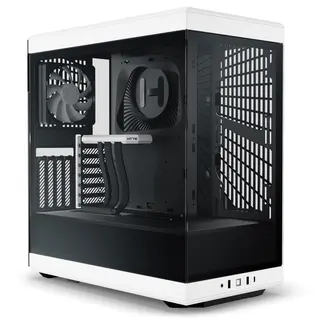 Showcase builds
Glass-panel cases
Dual-chamber and panoramic designs from Lian Li, Hyte and Fractal.
Shop now
Monitors
Shop all Monitors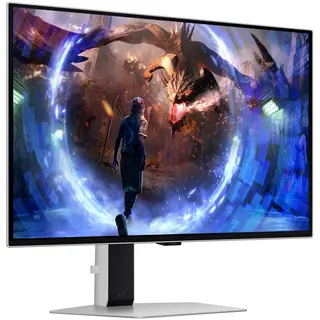 Pixel perfect
OLED gaming monitors
QD-OLED and WOLED panels for deep blacks and fast motion.
Shop now
Peripherals
Shop all Peripherals Desk setup
Keyboards & mice
Mechanical and Hall-effect boards, ultralight mice.
Shop now
Storage
Shop all Storage PCIe 5.0
Next-gen NVMe SSDs
Gen 5 drives for the fastest loads and transfers.
Shop now
Sim Racing
Shop all Sim Racing Direct drive
Wheel bases
Simucube, Moza, Simagic, Fanatec and more.
Shop now
Gaming & VR
Shop all Gaming & VR Long sessions
Gaming chairs
Ergonomic chairs from noblechairs, Razer and more.
Shop now
Networking
Shop all Networking Home network
Faster connections
Routers, Wi-Fi adapters, network cards and switches.
Shop now
Laptops & PCs
Shop all Laptops & PCs Ready to play
Gaming PCs
Ready-built systems from 1080p to 4K, with RTX 50 and RX 9000 graphics.
Shop now
Internal 3.5-inch and 2.5-inch hard drives from Seagate, Western Digital and Toshiba for NAS, desktop and enterprise use. Filter by capacity, size and speed, and pay in BTC, ETH or USDT.
6 products
$199.99 ≈ 0.002619 BTC
ToshibaIn stock
$169.99 ≈ 0.002226 BTC
Western DigitalIn stock
$259.99 ≈ 0.003405 BTC
SeagateIn stock
$249.99 ≈ 0.003274 BTC
SeagateIn stock
$129.99 ≈ 0.001702 BTC
SeagateIn stock
$139.99 ≈ 0.001833 BTC
Showing 1–6 of 6
Hard drives still give the lowest cost per terabyte, which makes them the choice for archives, backups, media libraries and NAS. Choose by what the drive is designed for:
For RAID and NAS use, choose drives with CMR recording rather than SMR, which can slow badly during rebuilds; manufacturers list the recording technology in their specifications. 7,200 rpm drives are faster but louder and warmer than 5,400 to 5,900 rpm models, which suit quiet home NAS units.
Use the same model and capacity across an array, and consider a spare drive for quick replacement. RAID is not a backup, so keep a copy on an external drive or off-site. For external use, fit a drive in a 3.5-inch enclosure, and keep your operating system on an NVMe SSD.

Shop by department
Show prices in
Your cart
Your cart is empty
Start with a top category:
Shipping calculated at checkout. Pay with BTC, ETH or USDT — rate locked when you check out.
Compare 0/4
Compare


