
Top pick
G.SkillIn stock
Trident Z5 Neo DDR5-6000 CL30 EXPO 32GB Dual Kit Black
- 32 GB (2x)
- DDR5-6000
- CL30
- Type
- DDR5
- Module
- DIMM
- Kit capacity
- 32 GB
- Speed
- 6000 MT/s
- Modules
- 2
- RGB lighting
- No
$559.99 ≈ 0.007345 BTC
Free EU shipping

PC Components
Shop all PC Components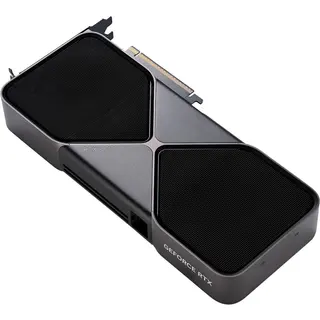 Blackwell & RDNA 4
New-generation graphics cards
GeForce RTX 50 and Radeon RX 9000, filtered by VRAM and length.
Shop now
Cooling
Shop all Cooling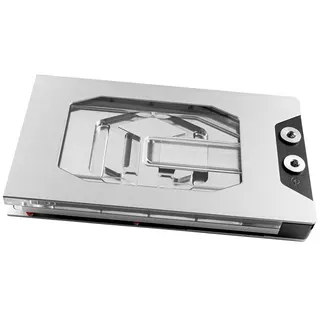 Custom loop
Water cooling parts
Blocks, radiators and fittings from EK, Alphacool and Watercool.
Shop now
Cases & Modding
Shop all Cases & Modding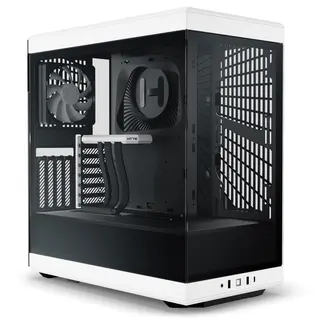 Showcase builds
Glass-panel cases
Dual-chamber and panoramic designs from Lian Li, Hyte and Fractal.
Shop now
Monitors
Shop all Monitors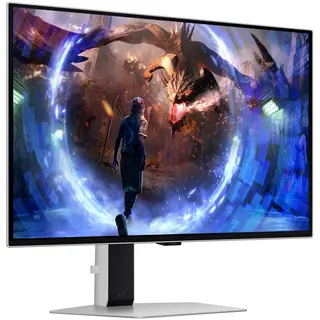 Pixel perfect
OLED gaming monitors
QD-OLED and WOLED panels for deep blacks and fast motion.
Shop now
Peripherals
Shop all Peripherals Desk setup
Keyboards & mice
Mechanical and Hall-effect boards, ultralight mice.
Shop now
Storage
Shop all Storage PCIe 5.0
Next-gen NVMe SSDs
Gen 5 drives for the fastest loads and transfers.
Shop now
Sim Racing
Shop all Sim Racing Direct drive
Wheel bases
Simucube, Moza, Simagic, Fanatec and more.
Shop now
Gaming & VR
Shop all Gaming & VR Long sessions
Gaming chairs
Ergonomic chairs from noblechairs, Razer and more.
Shop now
Networking
Shop all Networking Home network
Faster connections
Routers, Wi-Fi adapters, network cards and switches.
Shop now
Laptops & PCs
Shop all Laptops & PCs Ready to play
Gaming PCs
Ready-built systems from 1080p to 4K, with RTX 50 and RX 9000 graphics.
Shop now
DDR5 and DDR4 desktop kits, laptop SO-DIMMs and ECC modules. Filter by type, kit capacity and speed, check what your motherboard supports, and pay in BTC, ETH or USDT.
212 products
G.SkillIn stock
$559.99 ≈ 0.007345 BTC
Free EU shipping
ADATAIn stock
$479.99 ≈ 0.006296 BTC
Free EU shipping
CorsairIn stock
$579.99 ≈ 0.007607 BTC
Free EU shipping
G.SkillIn stock
$539.99 ≈ 0.007083 BTC
Free EU shipping
CorsairIn stock
$479.99 ≈ 0.006296 BTC
Free EU shipping
ADATAIn stock
$439.99 ≈ 0.005771 BTC
Free EU shipping
KLEVVIn stock
$459.99 ≈ 0.006033 BTC
Free EU shipping
KingstonIn stock
$489.99 ≈ 0.006427 BTC
Free EU shipping
G.SkillIn stock
$499.99 ≈ 0.006558 BTC
Free EU shipping
CorsairIn stock
$499.99 ≈ 0.006558 BTC
Free EU shipping
KLEVVIn stock
$549.99 ≈ 0.007214 BTC
Free EU shipping
V-ColorIn stock
$489.99 ≈ 0.006427 BTC
Free EU shipping
Team GroupIn stock
$349.99 ≈ 0.004591 BTC
Free EU shipping
KingstonIn stock
$539.99 ≈ 0.007083 BTC
Free EU shipping
CorsairIn stock
$509.99 ≈ 0.006689 BTC
Free EU shipping
KLEVVIn stock
$479.99 ≈ 0.006296 BTC
Free EU shipping
V-ColorIn stock
$479.99 ≈ 0.006296 BTC
Free EU shipping
Team GroupIn stock
$409.99 ≈ 0.005378 BTC
Free EU shipping
PatriotIn stock
$469.99 ≈ 0.006165 BTC
Free EU shipping
CrucialIn stock
$339.99 ≈ 0.004459 BTC
Free EU shipping
KLEVVIn stock
$529.99 ≈ 0.006952 BTC
Free EU shipping
PatriotIn stock
$979.99 ≈ 0.01285 BTC
Free EU shipping
ADATAIn stock
$559.99 ≈ 0.007345 BTC
Free EU shipping
PatriotIn stock
$1,049.99 ≈ 0.01377 BTC
Free EU shipping
G.SkillIn stock
$509.99 ≈ 0.006689 BTC
Free EU shipping
Team GroupIn stock
$349.99 ≈ 0.004591 BTC
Free EU shipping
ADATAIn stock
$479.99 ≈ 0.006296 BTC
Free EU shipping
KLEVVIn stock
$529.99 ≈ 0.006952 BTC
Free EU shipping
KingstonIn stock
$299.99 ≈ 0.003935 BTC
KLEVVIn stock
$549.99 ≈ 0.007214 BTC
Free EU shipping
V-ColorIn stock
$499.99 ≈ 0.006558 BTC
Free EU shipping
KLEVVIn stock
$509.99 ≈ 0.006689 BTC
Free EU shipping
KLEVVIn stock
$449.99 ≈ 0.005902 BTC
Free EU shipping
KLEVVIn stock
$499.99 ≈ 0.006558 BTC
Free EU shipping
PatriotIn stock
$479.99 ≈ 0.006296 BTC
Free EU shipping
KLEVVIn stock
$499.99 ≈ 0.006558 BTC
Free EU shipping
KLEVVIn stock
$569.99 ≈ 0.007476 BTC
Free EU shipping
KingstonIn stock
$439.99 ≈ 0.005771 BTC
Free EU shipping
G.SkillIn stock
$319.99 ≈ 0.004197 BTC
Free EU shipping
G.SkillIn stock
$419.99 ≈ 0.005509 BTC
Free EU shipping
G.SkillIn stock
$429.99 ≈ 0.00564 BTC
Free EU shipping
G.SkillIn stock
$489.99 ≈ 0.006427 BTC
Free EU shipping
KLEVVIn stock
$489.99 ≈ 0.006427 BTC
Free EU shipping
ADATAIn stock
$409.99 ≈ 0.005378 BTC
Free EU shipping
G.SkillIn stock
$549.99 ≈ 0.007214 BTC
Free EU shipping
ADATAIn stock
$419.99 ≈ 0.005509 BTC
Free EU shipping
KLEVVIn stock
$459.99 ≈ 0.006033 BTC
Free EU shipping
KLEVVIn stock
$499.99 ≈ 0.006558 BTC
Free EU shipping
CorsairIn stock
$559.99 ≈ 0.007345 BTC
Free EU shipping
CorsairIn stock
$459.99 ≈ 0.006033 BTC
Free EU shipping
V-ColorIn stock
$509.99 ≈ 0.006689 BTC
Free EU shipping
G.SkillIn stock
$119.99 ≈ 0.001574 BTC
G.SkillIn stock
$299.99 ≈ 0.003935 BTC
G.SkillIn stock
$439.99 ≈ 0.005771 BTC
Free EU shipping
PatriotIn stock
$769.99 ≈ 0.0101 BTC
Free EU shipping
V-ColorIn stock
$259.99 ≈ 0.00341 BTC
KLEVVIn stock
$499.99 ≈ 0.006558 BTC
Free EU shipping
PatriotIn stock
$1,059.99 ≈ 0.0139 BTC
Free EU shipping
CorsairIn stock
$499.99 ≈ 0.006558 BTC
Free EU shipping
G.SkillIn stock
$499.99 ≈ 0.006558 BTC
Free EU shipping
Showing 1–60 of 212
Show 60 moreBuy memory as a matched kit rather than single modules, and match the type to your platform: AM5 and Intel LGA 1851 boards take DDR5 only, AM4 boards take DDR4, and LGA 1700 boards come in either version.
Enable the EXPO (AMD) or XMP (Intel) profile in the BIOS, or the kit runs at its slower default speed. Laptops and many mini PCs use SO-DIMM modules; servers and workstations often use registered ECC memory, which does not work in consumer desktop boards. Our guide on how much RAM you need covers capacity by use.
Going deeper: How much RAM do you need in 2026? DDR5 buying guide

Shop by department
Show prices in
Your cart
Your cart is empty
Start with a top category:
Shipping calculated at checkout. Pay with BTC, ETH or USDT — rate locked when you check out.
Compare 0/4
Compare


