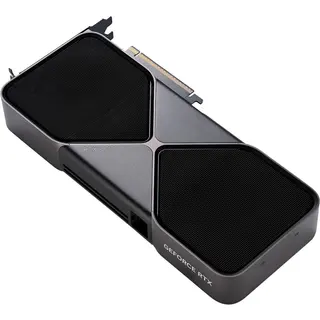
NVIDIA GeForce RTX 50, AMD Radeon RX 9000 and Intel Arc cards, plus RTX PRO and Radeon AI Pro workstation models. Filter by series, GPU, video memory, card length and slot width, then pay in BTC, ETH or USDT.
Video memory matters more every year: 12–16 GB is a sensible target for new 1440p and 4K games, and local AI models want as much VRAM as you can afford. GeForce RTX 50 cards support DLSS 4 with Multi Frame Generation; Radeon RX 9000 cards support FSR 4.
Before you buy, check three things on the product page: card length and slot width against your case, the power connector (12V-2x6 or 8-pin) and the recommended PSU wattage. The Card length and Slot width filters narrow the list for compact builds. For pro rendering and AI work with certified drivers, use the Series filter for RTX Workstation, Radeon Pro and Radeon AI Pro cards. Our graphics card buying guide explains each tier in more detail.
8 GB still runs most games at 1080p with sensible settings, but 12–16 GB gives headroom for high-resolution textures, 1440p, 4K and frame generation. For running AI models locally, VRAM decides which model sizes fit, so 16 GB or more is a good starting point and the 32 GB of an RTX 5090 goes further.
Will a new graphics card fit my PC?
Compare the card length and slot width on its product page with the maximum GPU length of your case, then check that your power supply meets the recommended wattage and has the right connector. The PC Builder checks the length and wattage for you.
Do RTX 50 cards need a new power supply?
Not always. Cards with a 12V-2x6 socket usually include an adapter for 8-pin cables, but an ATX 3.1 power supply with a native 12V-2x6 cable is the cleaner option for high-power cards. Make sure the total wattage meets the recommendation on the product page.