
AlphacoolIn stock
Core Reservoir 120mm Expansion Tank with VPP-Apex Pump
- Type
- Pump, Reservoir
- Pump
- D5
- RGB lighting
- Yes
$149.99 ≈ 0.001964 BTC

PC Components
Shop all PC Components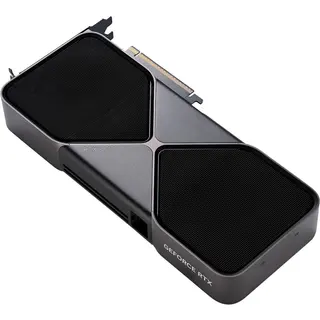 Blackwell & RDNA 4
New-generation graphics cards
GeForce RTX 50 and Radeon RX 9000, filtered by VRAM and length.
Shop now
Cooling
Shop all Cooling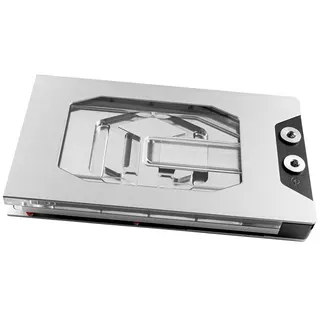 Custom loop
Water cooling parts
Blocks, radiators and fittings from EK, Alphacool and Watercool.
Shop now
Cases & Modding
Shop all Cases & Modding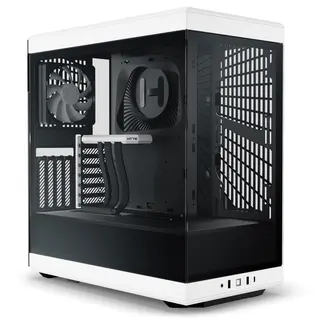 Showcase builds
Glass-panel cases
Dual-chamber and panoramic designs from Lian Li, Hyte and Fractal.
Shop now
Monitors
Shop all Monitors Pixel perfect
OLED gaming monitors
QD-OLED and WOLED panels for deep blacks and fast motion.
Shop now
Peripherals
Shop all Peripherals Desk setup
Keyboards & mice
Mechanical and Hall-effect boards, ultralight mice.
Shop now
Storage
Shop all Storage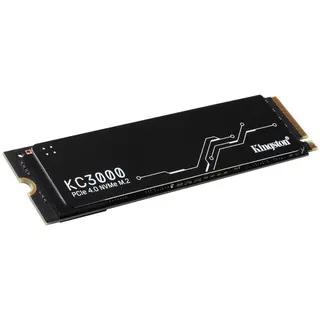 PCIe 5.0
Next-gen NVMe SSDs
Gen 5 drives for the fastest loads and transfers.
Shop now
Sim Racing
Shop all Sim Racing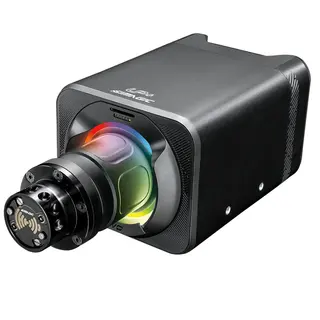 Direct drive
Wheel bases
Simucube, Moza, Simagic, Fanatec and more.
Shop now
Gaming & VR
Shop all Gaming & VR Long sessions
Gaming chairs
Ergonomic chairs from noblechairs, Razer and more.
Shop now
Networking
Shop all Networking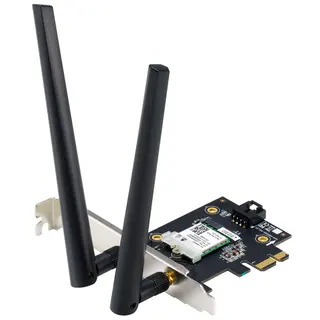 Home network
Faster connections
Routers, Wi-Fi adapters, network cards and switches.
Shop now
Laptops & PCs
Shop all Laptops & PCs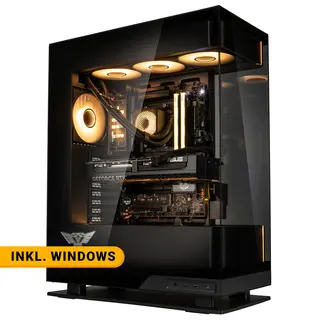 Ready to play
Gaming PCs
Ready-built systems from 1080p to 4K, with RTX 50 and RX 9000 graphics.
Shop now
D5 and DDC pumps, reservoirs, pump-reservoir combos and distribution plates for custom loops. Filter by type and pump, plan mounting and filling, and pay in BTC, ETH or USDT.
2 products
AlphacoolIn stock
$149.99 ≈ 0.001964 BTC
Aqua ComputerIn stock
$12.99 ≈ 0.0001701 BTC
Showing 1–2 of 2
The pump moves coolant through every block and radiator; the reservoir makes filling and bleeding the loop easier. Choose the pump type first:
Then pick a format: a pump-reservoir combo is the simplest to plumb; a separate reservoir gives more layout freedom; a distribution plate is made for one specific case and replaces much of the tubing with channels in a panel.
Mount the reservoir above or beside the pump inlet so coolant feeds the pump by gravity, and never run a pump dry, even briefly. Use a power supply jumper or a filling tool to run only the pump while you fill and leak-test. PWM-controlled pumps can run slower and quieter once the loop is free of air. Connect everything with fittings and tubing, and follow the filling order in the custom water cooling guide.
Going deeper: Custom water cooling guide for beginners (2026)

Shop by department
Show prices in
Your cart
Your cart is empty
Start with a top category:
Shipping calculated at checkout. Pay with BTC, ETH or USDT — rate locked when you check out.
Compare 0/4
Compare