
Top pick
CrucialIn stock
T700 NVMe SSD PCIe 5.0 M.2 2280 1 TB with Heatsink
- 1 TB
- PCIe 5.0
- 11700 MB/s
- Capacity
- 1 TB
- Interface
- PCIe 5.0
- Size
- 2280
- Heatsink
- Yes
$219.99 ≈ 0.002881 BTC

PC Components
Shop all PC Components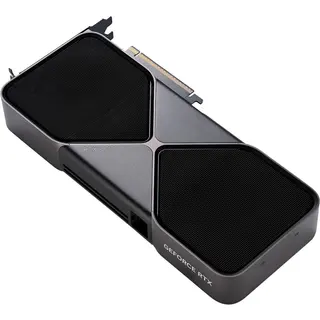 Blackwell & RDNA 4
New-generation graphics cards
GeForce RTX 50 and Radeon RX 9000, filtered by VRAM and length.
Shop now
Cooling
Shop all Cooling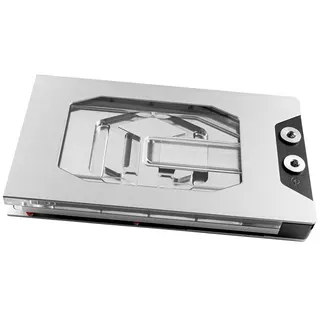 Custom loop
Water cooling parts
Blocks, radiators and fittings from EK, Alphacool and Watercool.
Shop now
Cases & Modding
Shop all Cases & Modding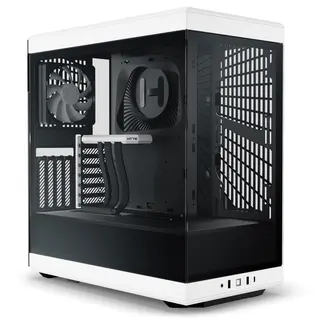 Showcase builds
Glass-panel cases
Dual-chamber and panoramic designs from Lian Li, Hyte and Fractal.
Shop now
Monitors
Shop all Monitors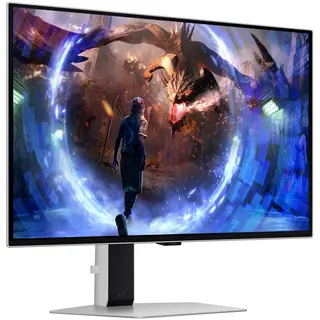 Pixel perfect
OLED gaming monitors
QD-OLED and WOLED panels for deep blacks and fast motion.
Shop now
Peripherals
Shop all Peripherals Desk setup
Keyboards & mice
Mechanical and Hall-effect boards, ultralight mice.
Shop now
Storage
Shop all Storage PCIe 5.0
Next-gen NVMe SSDs
Gen 5 drives for the fastest loads and transfers.
Shop now
Sim Racing
Shop all Sim Racing Direct drive
Wheel bases
Simucube, Moza, Simagic, Fanatec and more.
Shop now
Gaming & VR
Shop all Gaming & VR Long sessions
Gaming chairs
Ergonomic chairs from noblechairs, Razer and more.
Shop now
Networking
Shop all Networking Home network
Faster connections
Routers, Wi-Fi adapters, network cards and switches.
Shop now
Laptops & PCs
Shop all Laptops & PCs Ready to play
Gaming PCs
Ready-built systems from 1080p to 4K, with RTX 50 and RX 9000 graphics.
Shop now
PCIe 5.0, PCIe 4.0 and PCIe 3.0 M.2 NVMe SSDs, with or without a heatsink. Filter by interface, capacity and heatsink, check your slot, and pay in BTC, ETH or USDT.
38 products
CrucialIn stock
$219.99 ≈ 0.002881 BTC
SamsungIn stock
$369.99 ≈ 0.004845 BTC
Free EU shipping
ADATAIn stock
$349.99 ≈ 0.004583 BTC
Free EU shipping
SamsungIn stock
$219.99 ≈ 0.002881 BTC
ADATAIn stock
$189.99 ≈ 0.002488 BTC
MSIIn stock
$429.99 ≈ 0.005631 BTC
Free EU shipping
SamsungIn stock
$439.99 ≈ 0.005762 BTC
Free EU shipping
SamsungIn stock
$789.99 ≈ 0.01034 BTC
Free EU shipping
MSIIn stock
$629.99 ≈ 0.00825 BTC
Free EU shipping
CrucialIn stock
$329.99 ≈ 0.004321 BTC
Free EU shipping
MSIIn stock
$709.99 ≈ 0.009297 BTC
Free EU shipping
PatriotIn stock
$189.99 ≈ 0.002488 BTC
CrucialIn stock
$259.99 ≈ 0.003405 BTC
SeagateIn stock
$259.99 ≈ 0.003405 BTC
PatriotIn stock
$319.99 ≈ 0.00419 BTC
Free EU shipping
SeagateIn stock
$879.99 ≈ 0.01152 BTC
Free EU shipping
CrucialIn stock
$539.99 ≈ 0.007071 BTC
Free EU shipping
Western DigitalIn stock
$699.99 ≈ 0.009166 BTC
Free EU shipping
CrucialIn stock
$299.99 ≈ 0.003928 BTC
ADATAIn stock
$199.99 ≈ 0.002619 BTC
ADATAIn stock
$469.99 ≈ 0.006154 BTC
Free EU shipping
ADATAIn stock
$139.99 ≈ 0.001833 BTC
CrucialIn stock
$169.99 ≈ 0.002226 BTC
CrucialIn stock
$499.99 ≈ 0.006547 BTC
Free EU shipping
SamsungIn stock
$199.99 ≈ 0.002619 BTC
CrucialIn stock
$209.99 ≈ 0.00275 BTC
CrucialIn stock
$449.99 ≈ 0.005893 BTC
Free EU shipping
SamsungIn stock
$1,709.99 ≈ 0.02239 BTC
Free EU shipping
SamsungIn stock
$799.99 ≈ 0.01048 BTC
Free EU shipping
CorsairIn stock
$289.99 ≈ 0.003797 BTC
CorsairIn stock
$269.99 ≈ 0.003535 BTC
CorsairIn stock
$259.99 ≈ 0.003405 BTC
SamsungIn stock
$1,819.99 ≈ 0.02383 BTC
Free EU shipping
CorsairIn stock
$209.99 ≈ 0.00275 BTC
CorsairIn stock
$189.99 ≈ 0.002488 BTC
CorsairIn stock
$159.99 ≈ 0.002095 BTC
PatriotIn stock
$429.99 ≈ 0.005631 BTC
Free EU shipping
CorsairIn stock
$539.99 ≈ 0.007071 BTC
Free EU shipping
Showing 1–38 of 38
Pick an NVMe SSD by slot, speed tier and capacity:
Capacity: 2 TB is a comfortable size for a gaming or work PC in 2026, since many games exceed 100 GB. Larger drives also tend to be faster and carry higher endurance ratings. Endurance (TBW, terabytes written) matters for heavy writing such as video capture; typical home use stays far below it.
Cache and NAND: drives with DRAM or a good host memory buffer (HMB) keep speeds steady, and TLC NAND sustains writes and endurance better than QLC under heavy use.
Use the motherboard's M.2 heatsink, a drive with its own heatsink or an SSD cooler, especially for PCIe 5.0. For a PS5, choose a PCIe 4.0 drive with a heatsink that fits Sony's size limits. Our NVMe SSD guide covers the details.
Going deeper: NVMe SSD buying guide 2026: PCIe 5.0 vs PCIe 4.0

Shop by department
Show prices in
Your cart
Your cart is empty
Start with a top category:
Shipping calculated at checkout. Pay with BTC, ETH or USDT — rate locked when you check out.
Compare 0/4
Compare


